Vegetable
Vegetable powders as natural food colours
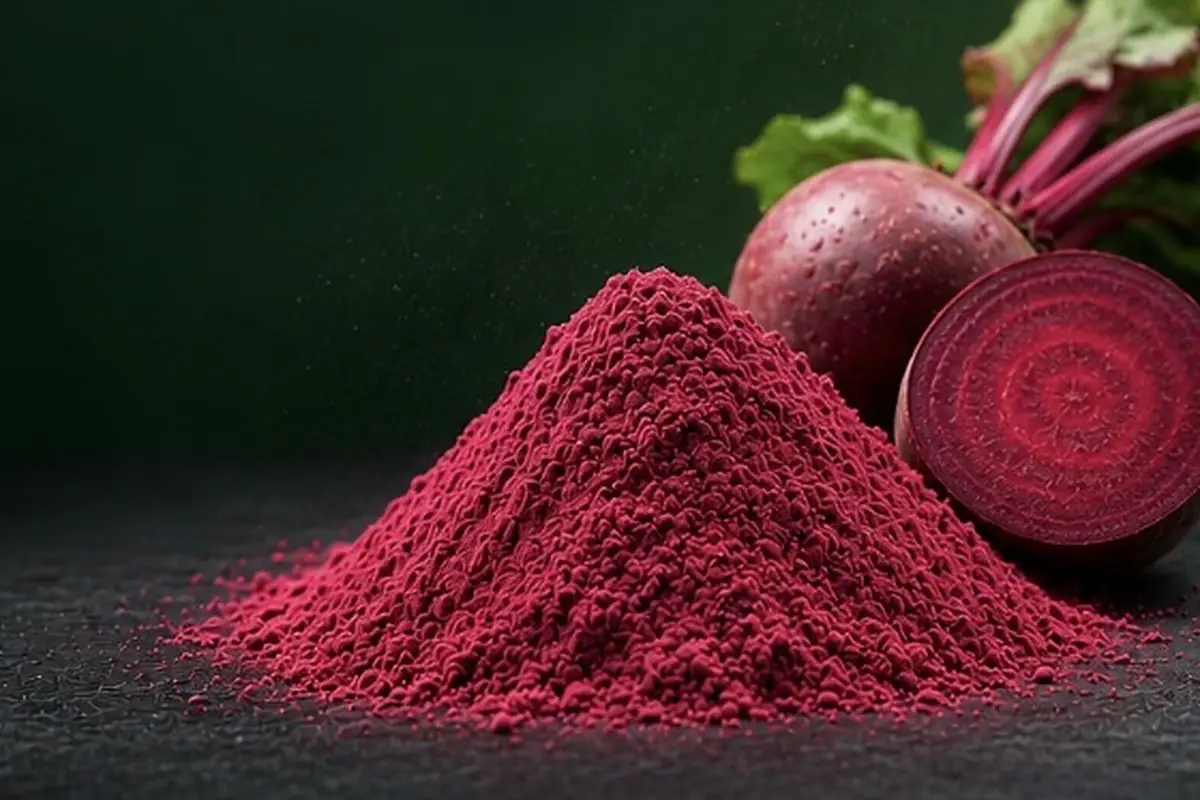
Clean-label brands are replacing synthetic colours with vegetable powders. The colour comes from the vegetable itself, and the label simply names it.
Colours you can get
- Red to pink: beetroot powder
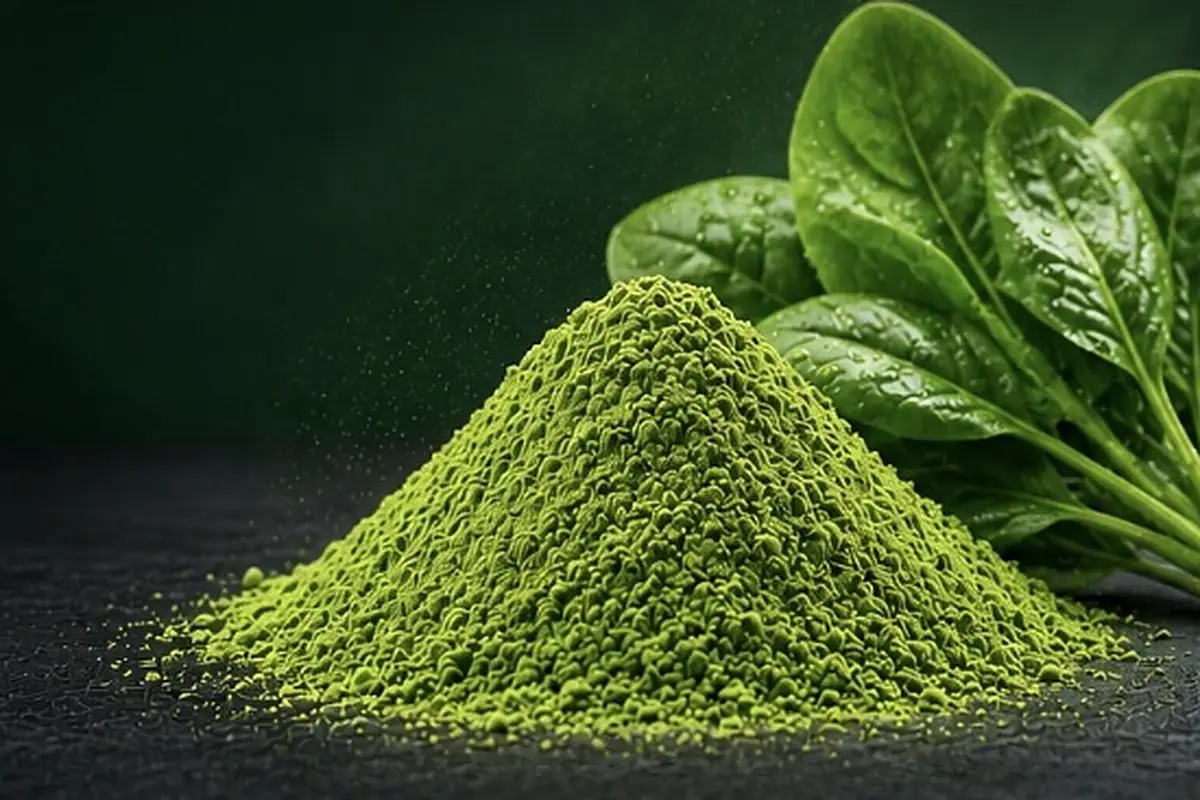
- Green: spinach powder
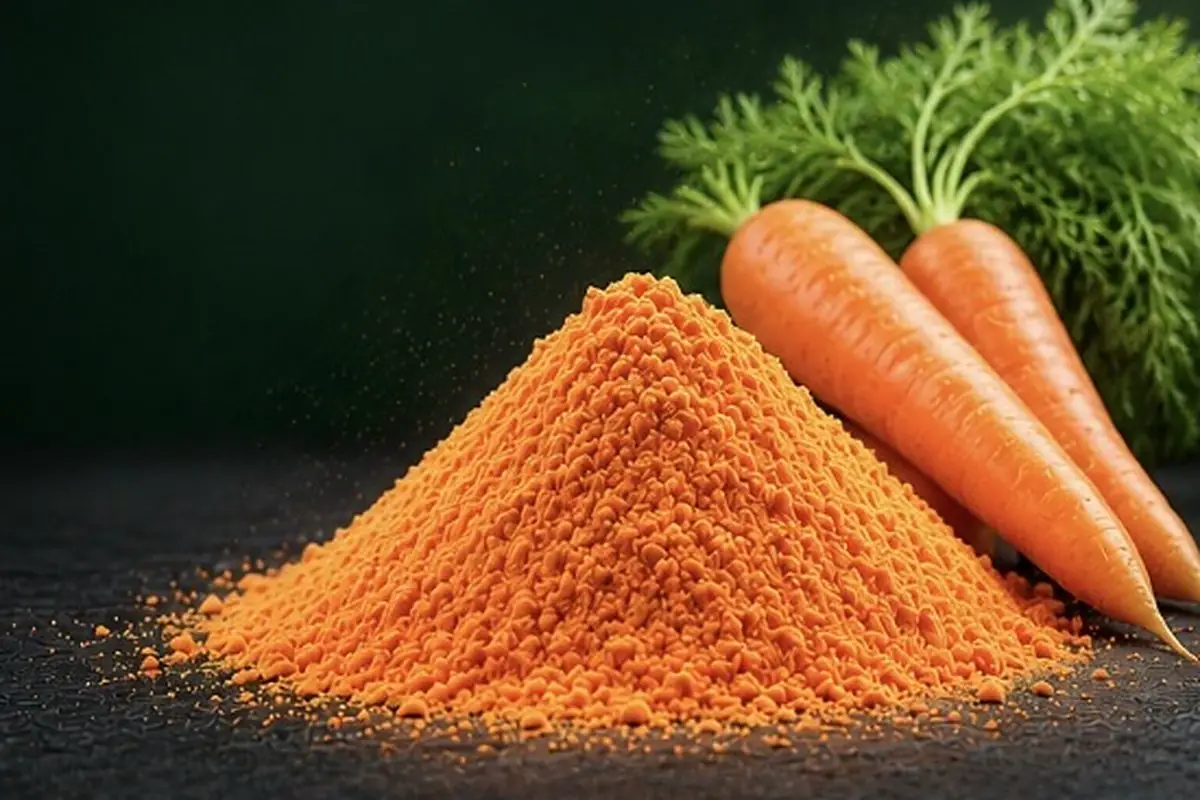
- Orange: carrot powder and pumpkin powder
- Red: tomato powder
Where they work well
Pasta and noodles, bakery, snack seasonings, smoothies and drink mixes, and dips.
What to test
- Heat: some colours fade or shift with long baking.
- pH: beetroot colour can change in acidic or alkaline recipes.
- Dose: natural colours need more product than synthetic ones, which may add some flavour.
- Light: store finished products away from strong light.
Start small
Ask for small samples, run trials at two or three dose levels, and check colour after baking or cooking and after a few weeks on the shelf.
Quick answers
Does beetroot powder taste of beetroot?
At colouring doses the taste is mild, but at high doses an earthy note can come through.
Are vegetable powders more expensive than synthetic colours?
Usually yes per kg of colour, but many brands accept it for a clean label.
More guides
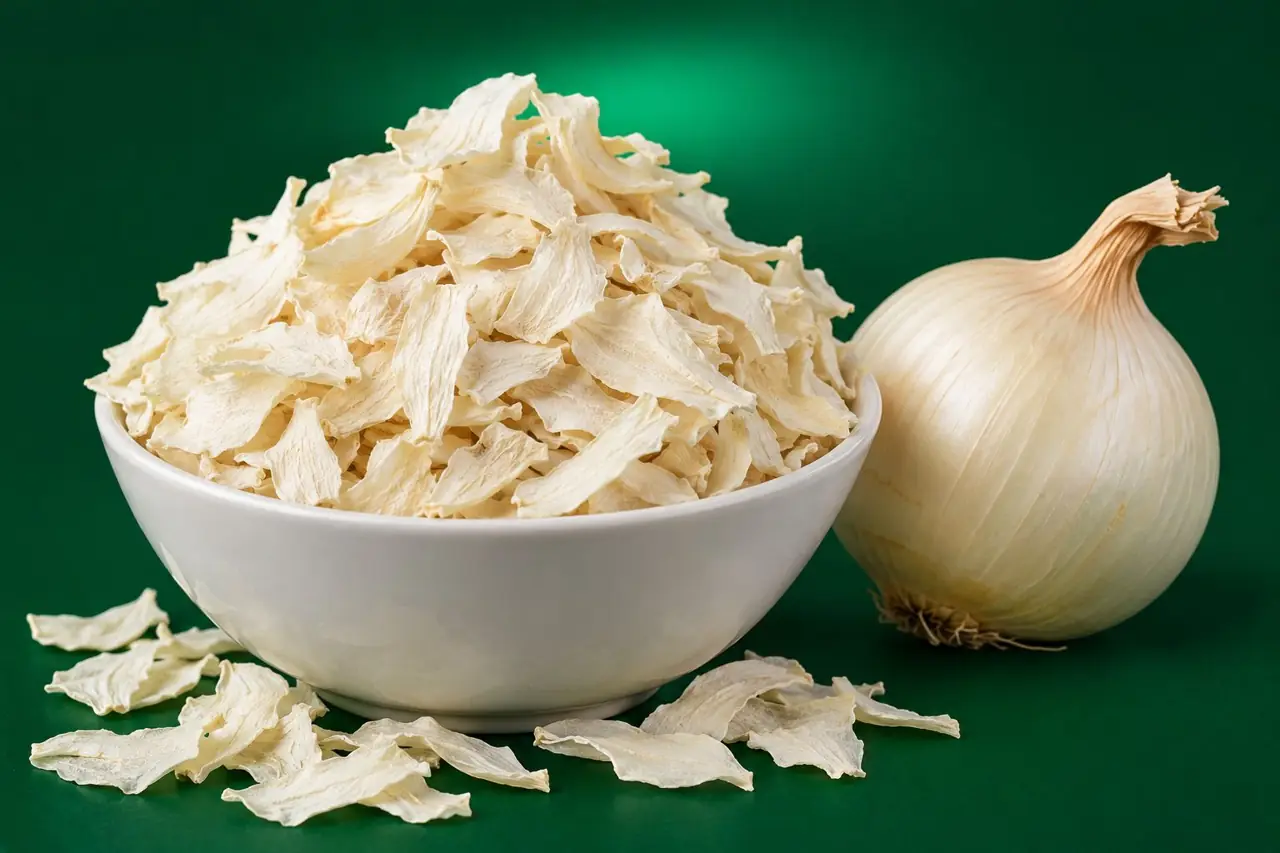 Basics · 6 min readWhat is dehydrated onion? Types, uses and benefitsDehydrated onion is fresh onion with most of its water taken out. What is left is the flavour, the aroma and the dry…Read guide →
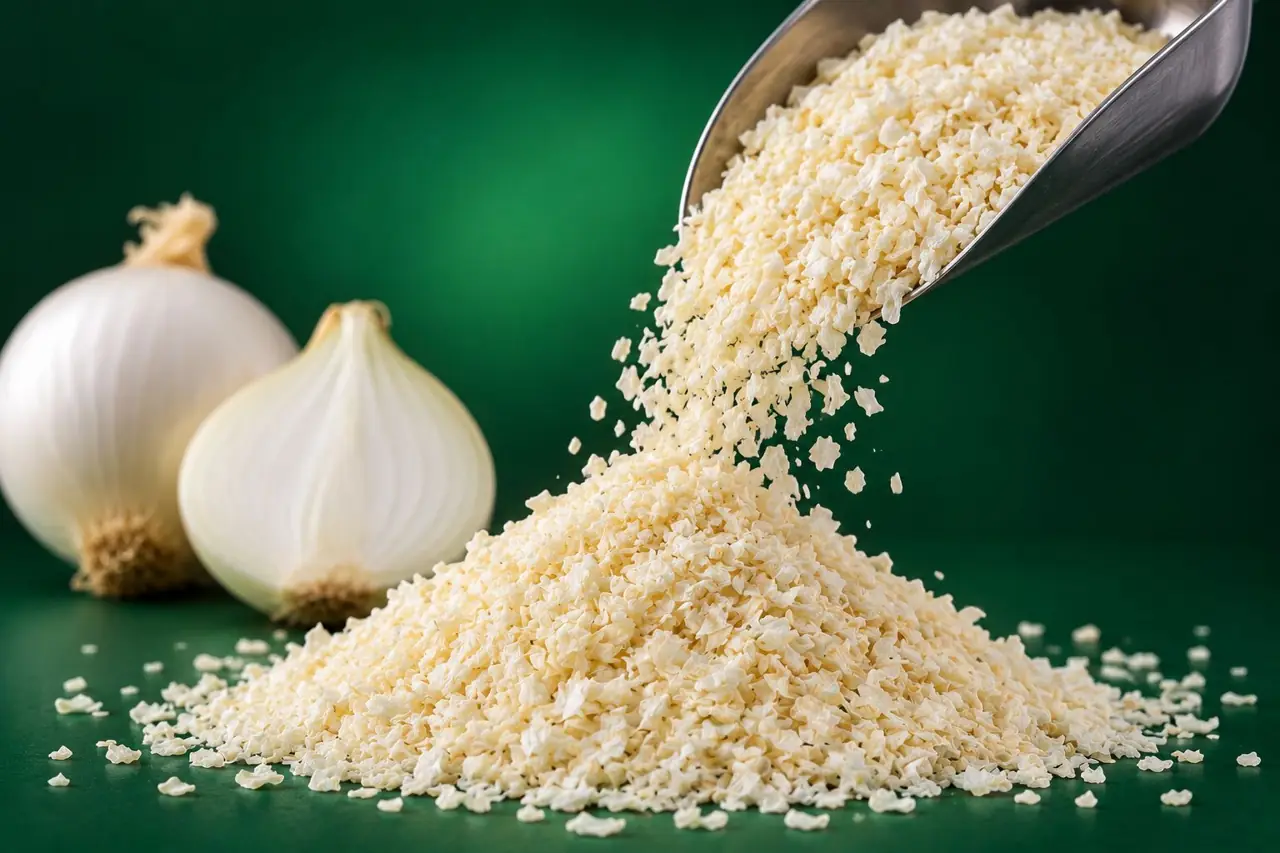 Cuts · 5 min readOnion powder vs granules vs minced: which cut should you use?All dehydrated onion cuts come from the same dried onion. The difference is size, and size decides how the onion…Read guide →
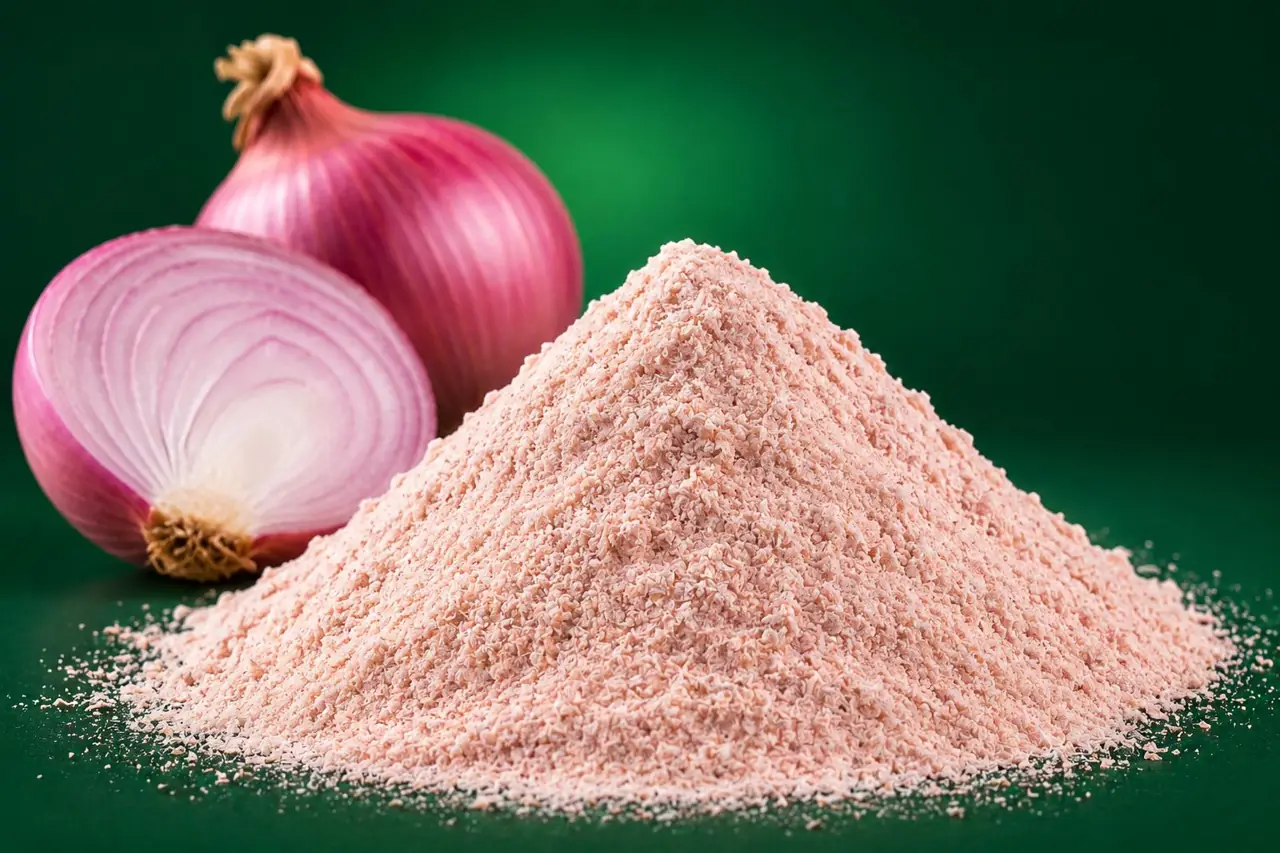 Onion · 4 min readWhite vs red vs pink onion powder: what's the difference?All three are dehydrated onion, but the onion variety changes the colour, the strength and where each one works…Read guide →