Process
Spray drying vs air drying vs freeze drying
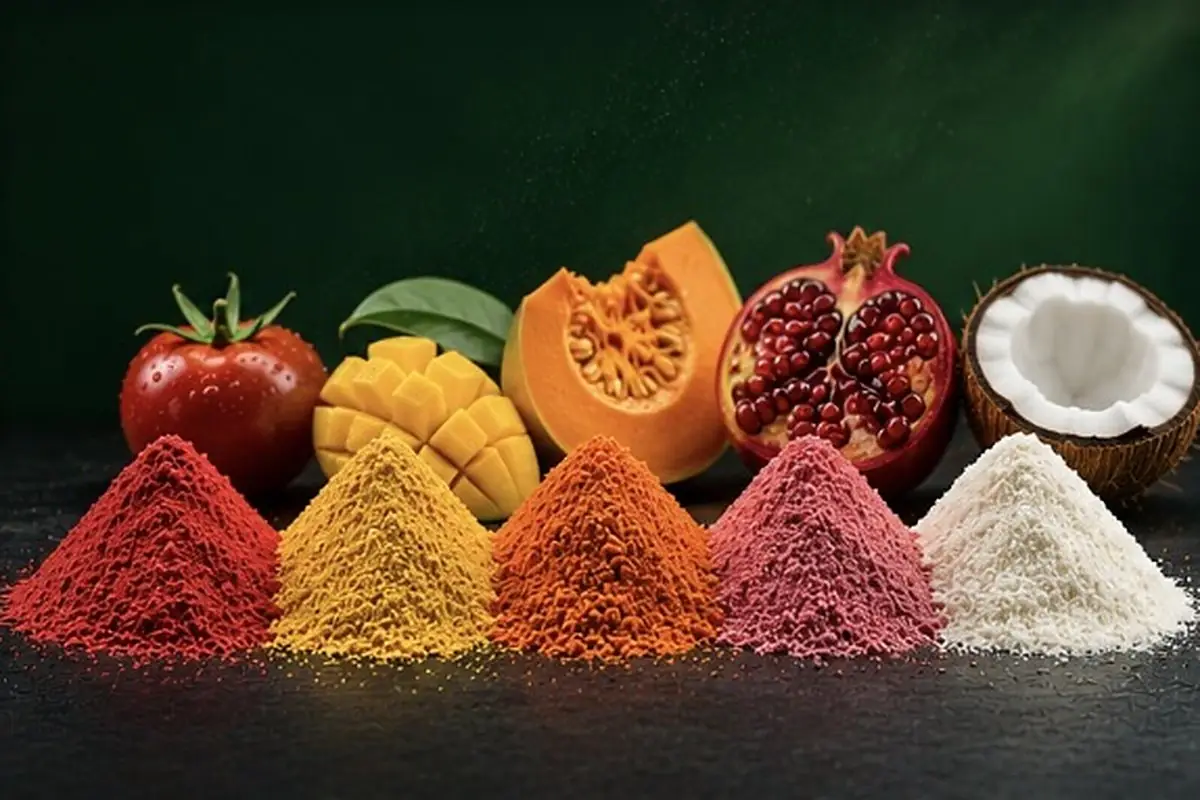
All three remove water from food, but in very different ways. The method decides the form, the cost and how much colour and aroma survive.
Hot-air drying
Sliced vegetables are dried with controlled warm air. This is how most dehydrated onion, garlic and vegetables are made. It is efficient and cost-effective for solid pieces that are later cut or milled.
Spray drying
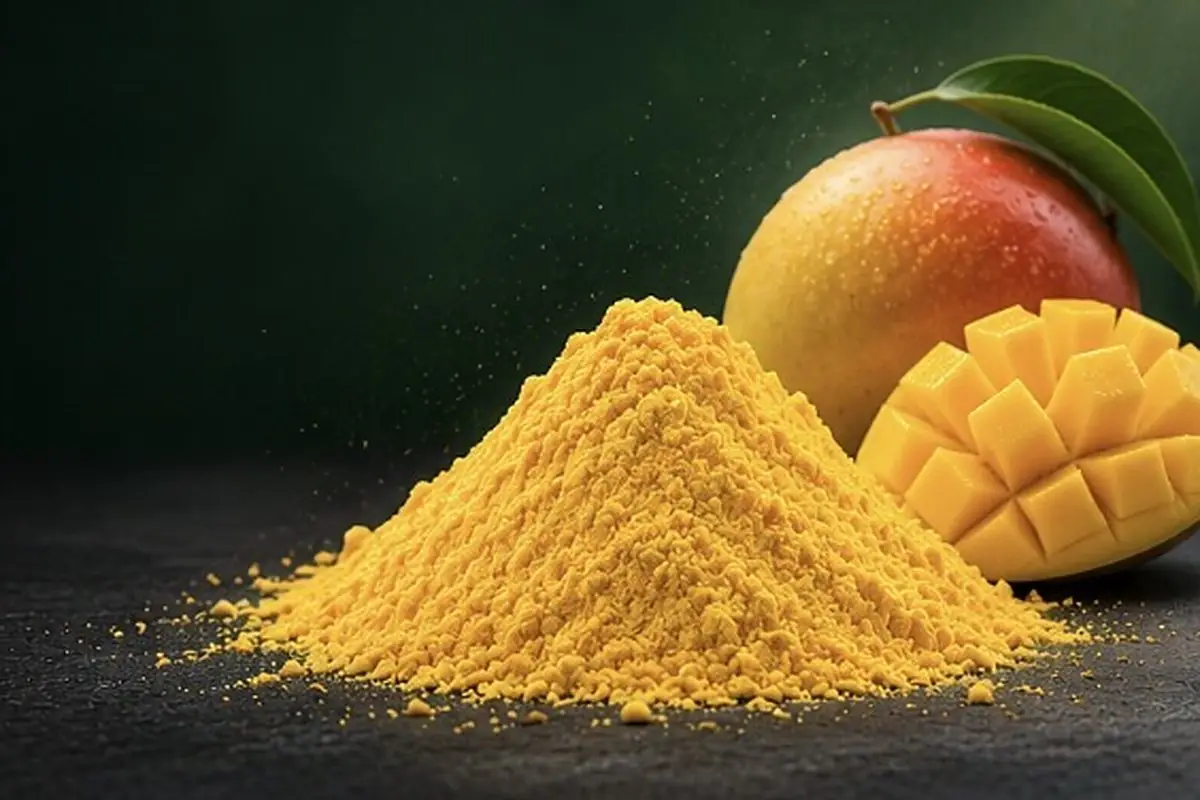
A liquid, such as fruit juice or pulp, is sprayed as a fine mist into hot air and dries almost instantly into powder. It is used for tomato powder, mango powder and other fruit powders. Most fruit juices need a carrier such as maltodextrin to form a stable powder, and the ratio should be on the spec sheet.
Freeze drying
Food is frozen and the ice is removed under vacuum. It keeps shape, colour and aroma very well but costs much more, so it is used for premium products.
Quick comparison
| Hot-air | Spray | Freeze | |
|---|---|---|---|
| Starts from | Solid pieces | Liquid or pulp | Solid or liquid |
| Result | Flakes, then cuts or powder | Fine powder | Pieces or powder |
| Cost | Low | Medium | High |
Quick answers
Why does spray-dried fruit powder contain maltodextrin?
Fruit sugars make juice sticky when dried, so a carrier helps form a free-flowing powder.
Which method keeps the most flavour?
Freeze drying generally keeps the most, at a much higher cost.
More guides
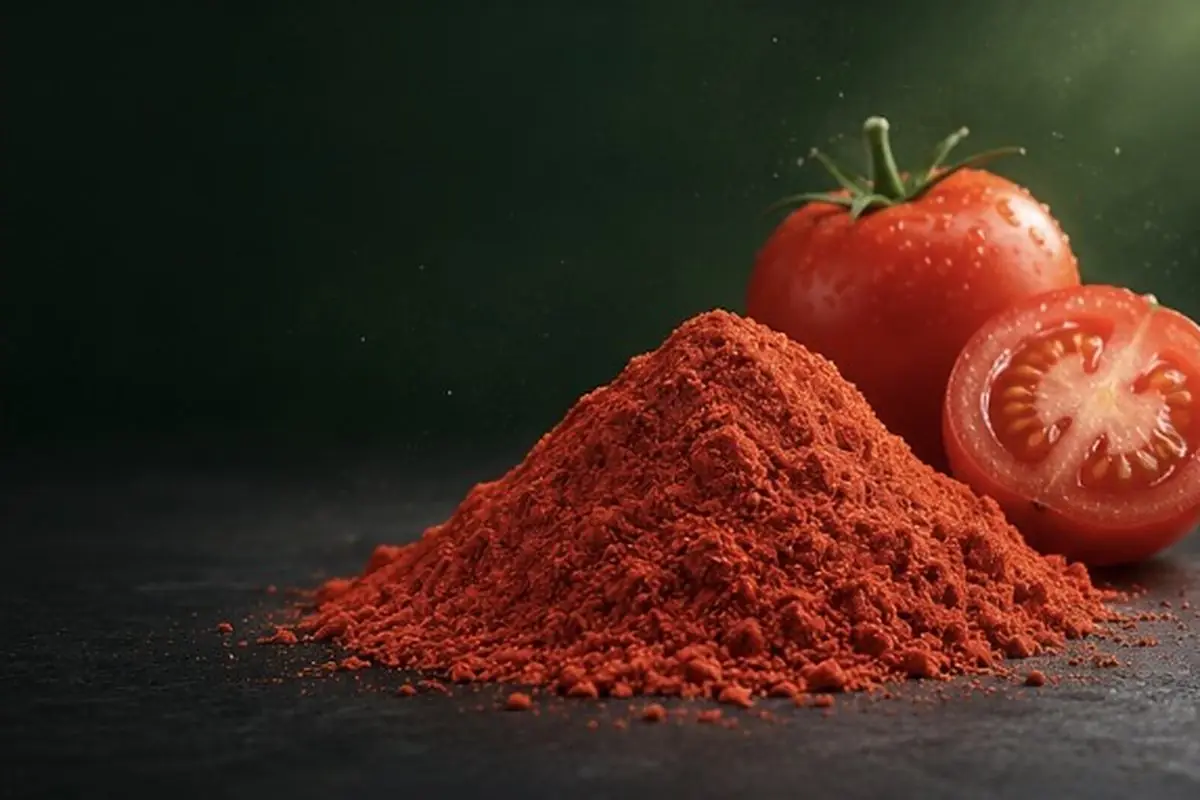 Spray dried · 4 min readTomato powder: uses and buying guide for food makersTomato powder gives the colour and tang of tomato to dry products where paste would add unwanted…Read guide →
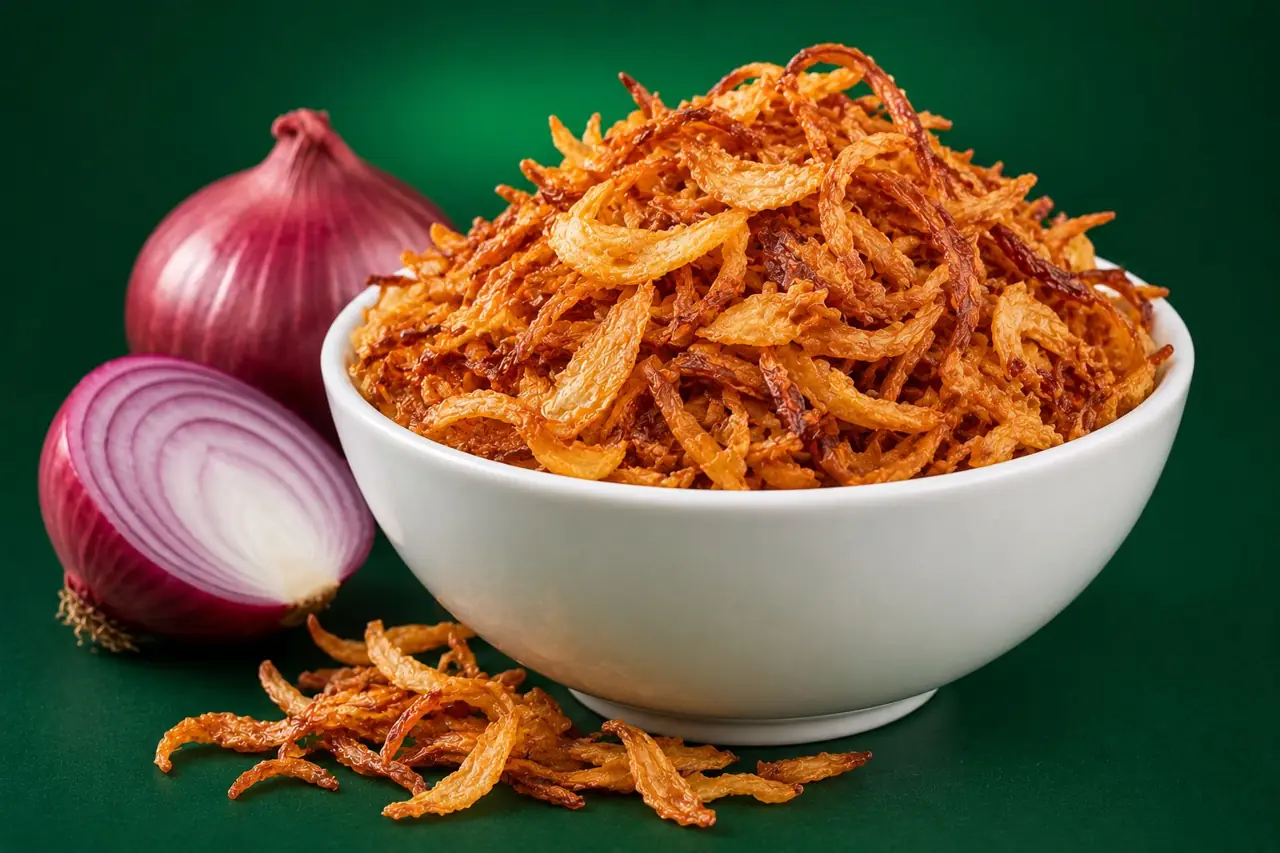 Fried · 4 min readFried onion (birista): uses, storage and quality tipsGolden fried onion is the finishing touch on biryani and many ready meals. Buying it ready-made saves hours of slow…Read guide →
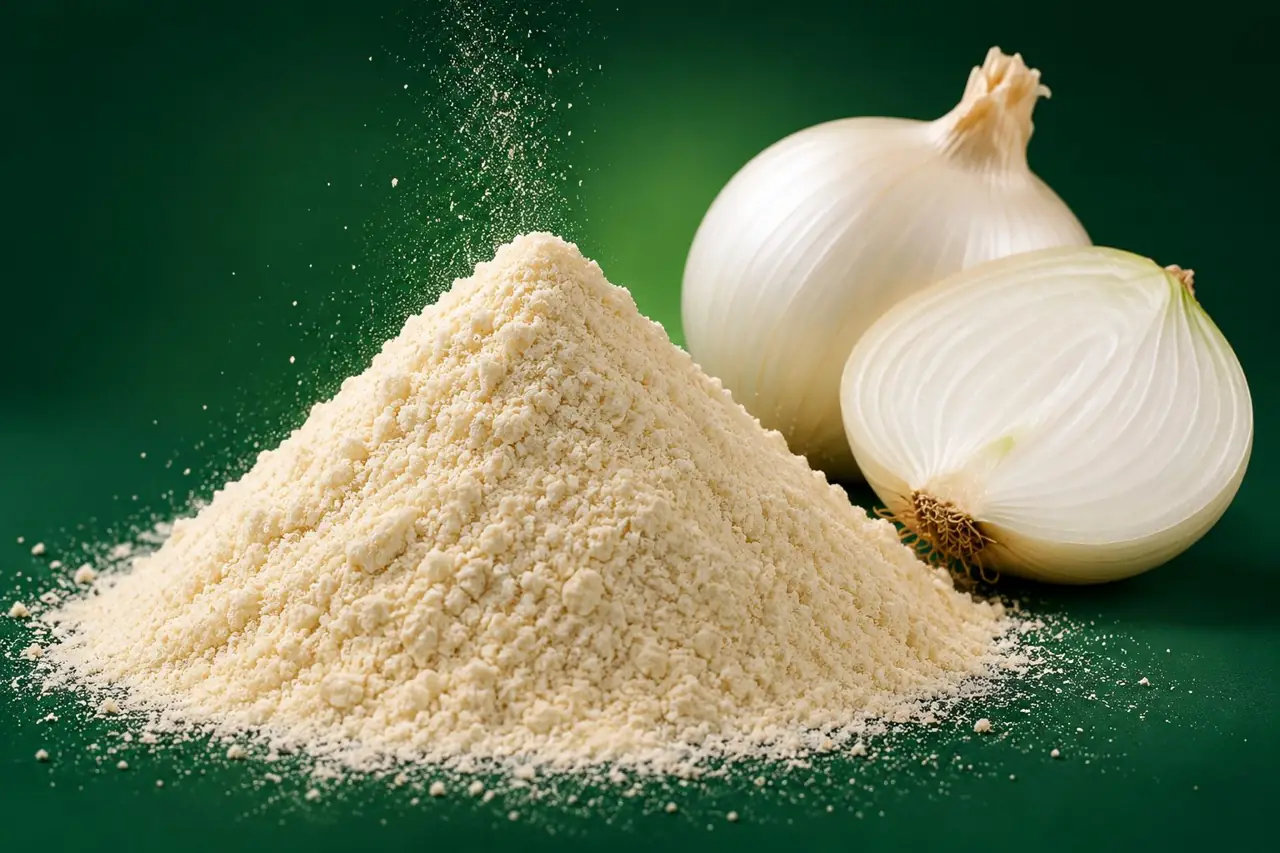 Specs · 4 min readMesh size explained: what does 80–100 mesh mean?Mesh size is how powder fineness is written on a spec sheet. A higher mesh number means a finer…Read guide →