Quality
How to read a Certificate of Analysis (COA) for dehydrated ingredients
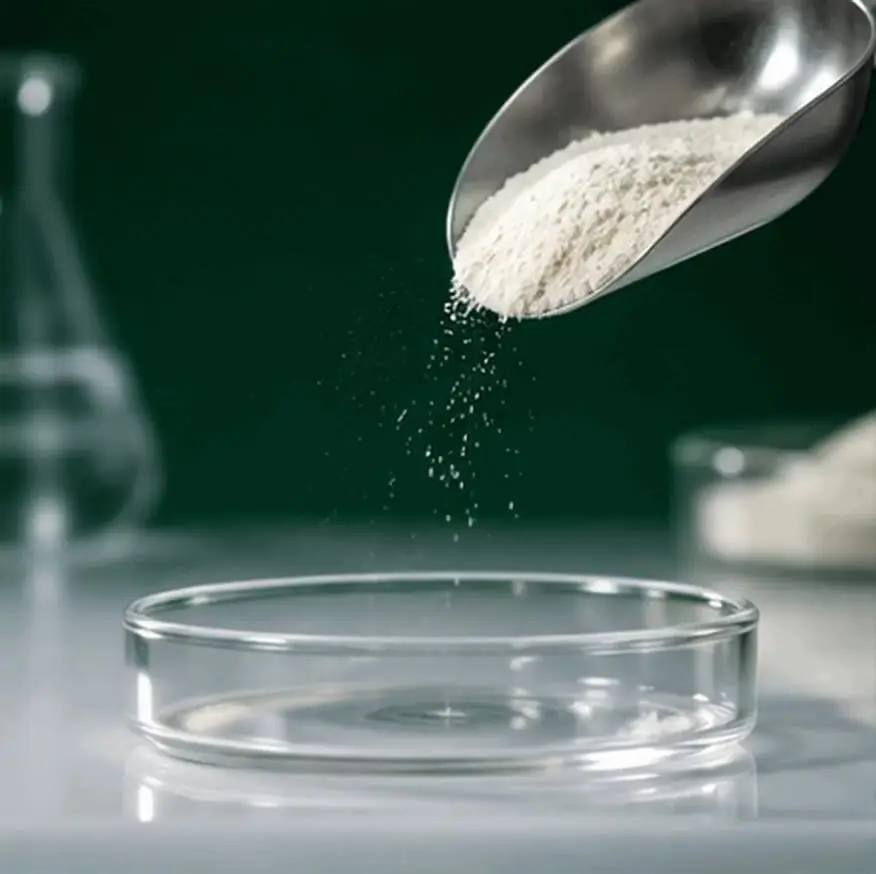
A COA is the lab report for one specific lot. Read well, it tells you whether the product will behave in your factory before you open a single bag.
What a COA should include
- Product name, lot or batch number, and production date
- Physical results: moisture, mesh or particle size, colour, bulk density
- Microbiology: total plate count, yeast and mould, coliforms, E. coli and Salmonella
- The method or standard used for each test
- Name and signature of the lab or QC person
The numbers to check first
Moisture decides shelf life and caking. Mesh decides how the powder blends. Microbiology decides whether the product is safe for your application, especially if it goes into a product that is not cooked again, such as a dip or seasoning.
Red flags
- No lot number, or the same COA for every lot
- Results with no units or no test method
- Values written as exact limits every time
- A COA that arrives weeks after the goods
Good practice for buyers
Agree your specification in writing, match each COA against it, and test the first lots in your own lab. Once results agree over several lots, you can rely more on the supplier's COA.
Quick answers
Is a COA the same as a specification sheet?
No. A spec sheet shows the limits a product should meet. A COA shows the actual results for one lot.
Should every lot have its own COA?
Yes. Each lot is tested and should carry its own results.
More guides
 Process · 4 min readSortex optical sorting, explained for food buyersForeign matter is one of the fastest ways to lose a customer. Optical sorting is how dehydrated food plants remove it…Read guide →
 Quality · 4 min readOzone washing of onion and garlic: why it mattersPesticide residue limits are among the strictest checks importers apply. Cleaning the raw material before drying is the…Read guide →
 Buying · 6 min readHow to choose a dehydrated onion supplier: a 10-point checklistPrice gets you a quote; consistency keeps your line running. Use this checklist before you commit volume to any…Read guide →