Export
Export documents for dehydrated food from India
Most delays at the port come from paperwork, not product. Here is what typically travels with a dehydrated food shipment from India, and what the exporter needs to hold.
Registrations the exporter holds
- IEC (Importer Exporter Code) from DGFT.
- RCMC for APEDA-scheduled products, applied for on the DGFT portal after the IEC.
- CRES from the Spices Board for spice exports, required in addition to the IEC.
- FSSAI licence for food business operations.
Documents with each shipment
- Commercial invoice and packing list
- Certificate of Analysis for each lot
- Phytosanitary certificate, where the importing country requires it
- Certificate of origin
- Bill of lading or airway bill
- Any market-specific certificates, such as health or residue reports
Tips to avoid delays
- Use the same product description and HS code on every document.
- Check the importing country's rules before the first shipment.
- Send document drafts to the buyer for approval before loading.
Quick answers
Who arranges the phytosanitary certificate?
The exporter applies for it from the plant quarantine authority before shipment.
Do I need APEDA registration to buy from Dehykart?
No. As the buyer you need the import permissions of your own country; we handle the export side.
More guides
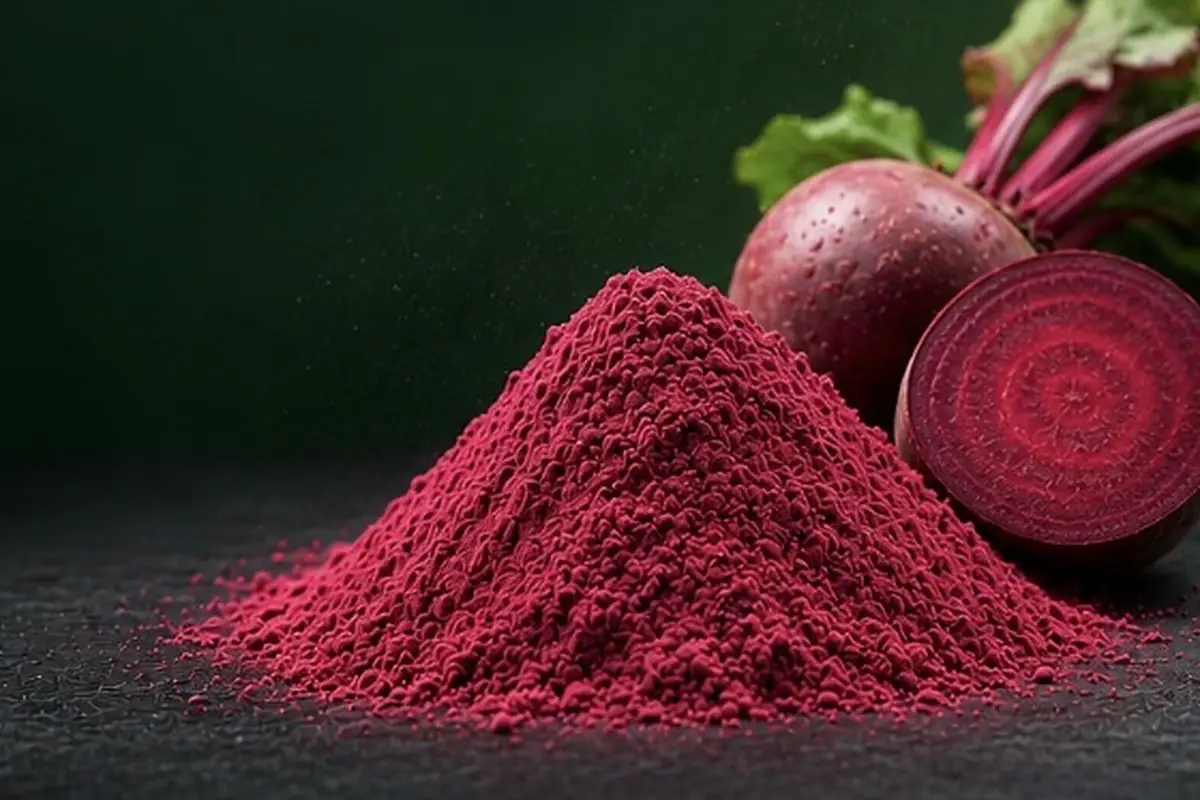 Vegetable · 4 min readVegetable powders as natural food coloursClean-label brands are replacing synthetic colours with vegetable powders. The colour comes from the vegetable itself,…Read guide →
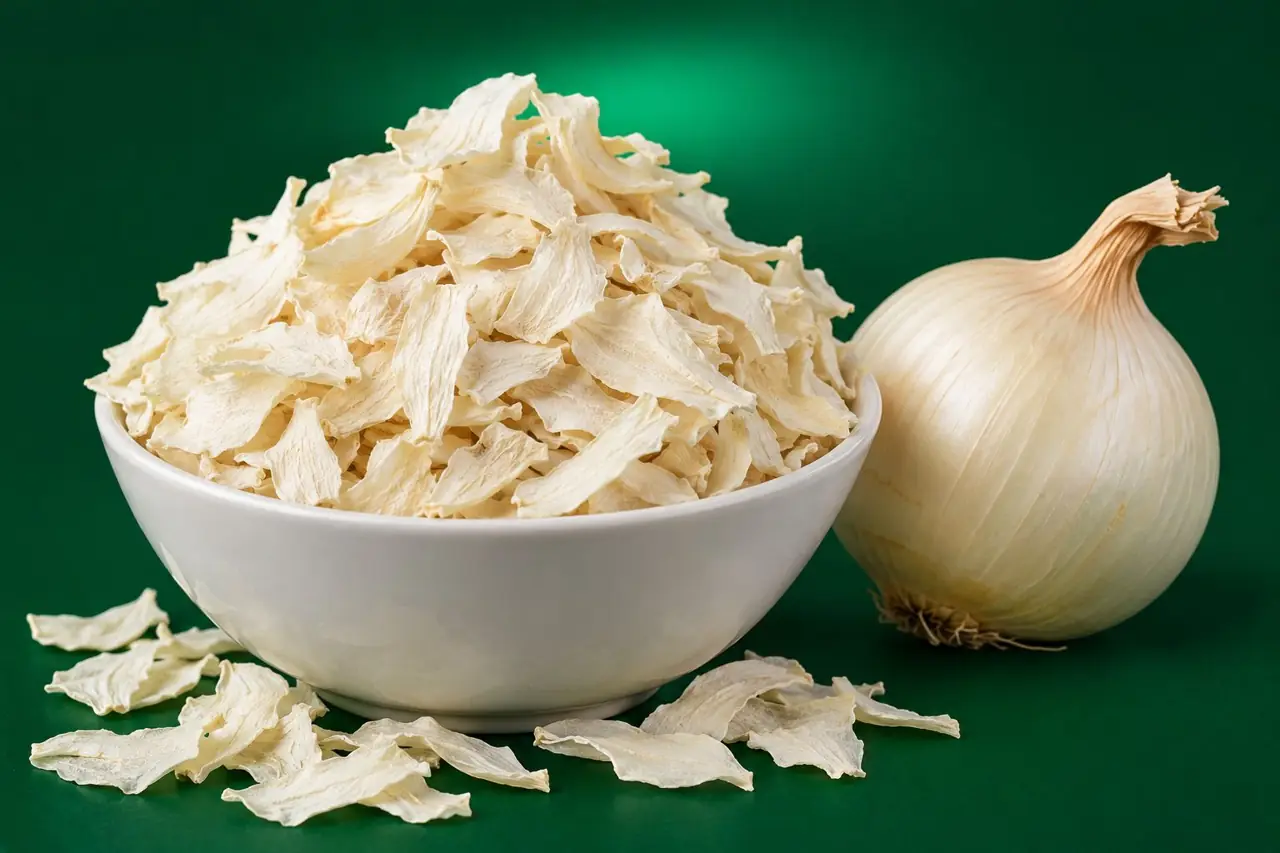 Basics · 6 min readWhat is dehydrated onion? Types, uses and benefitsDehydrated onion is fresh onion with most of its water taken out. What is left is the flavour, the aroma and the dry…Read guide →
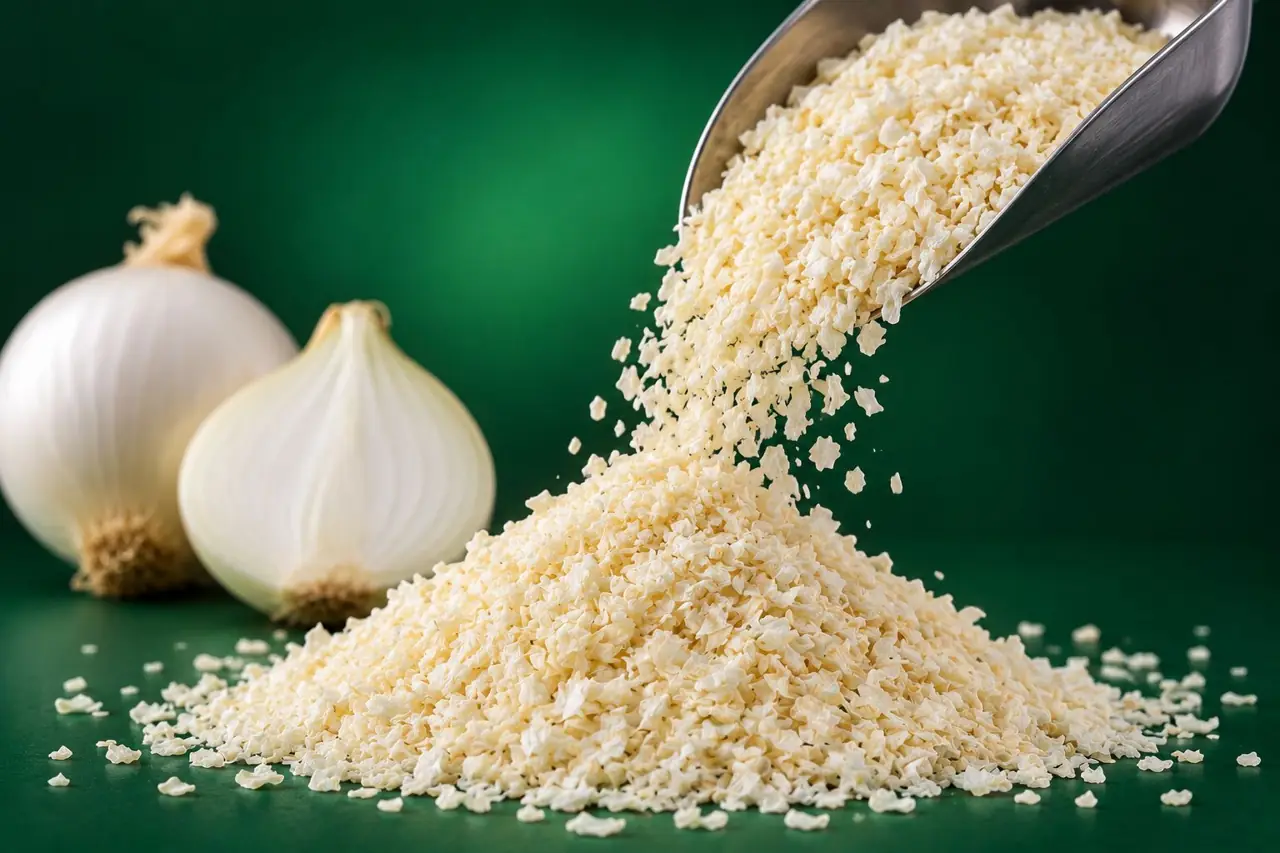 Cuts · 5 min readOnion powder vs granules vs minced: which cut should you use?All dehydrated onion cuts come from the same dried onion. The difference is size, and size decides how the onion…Read guide →